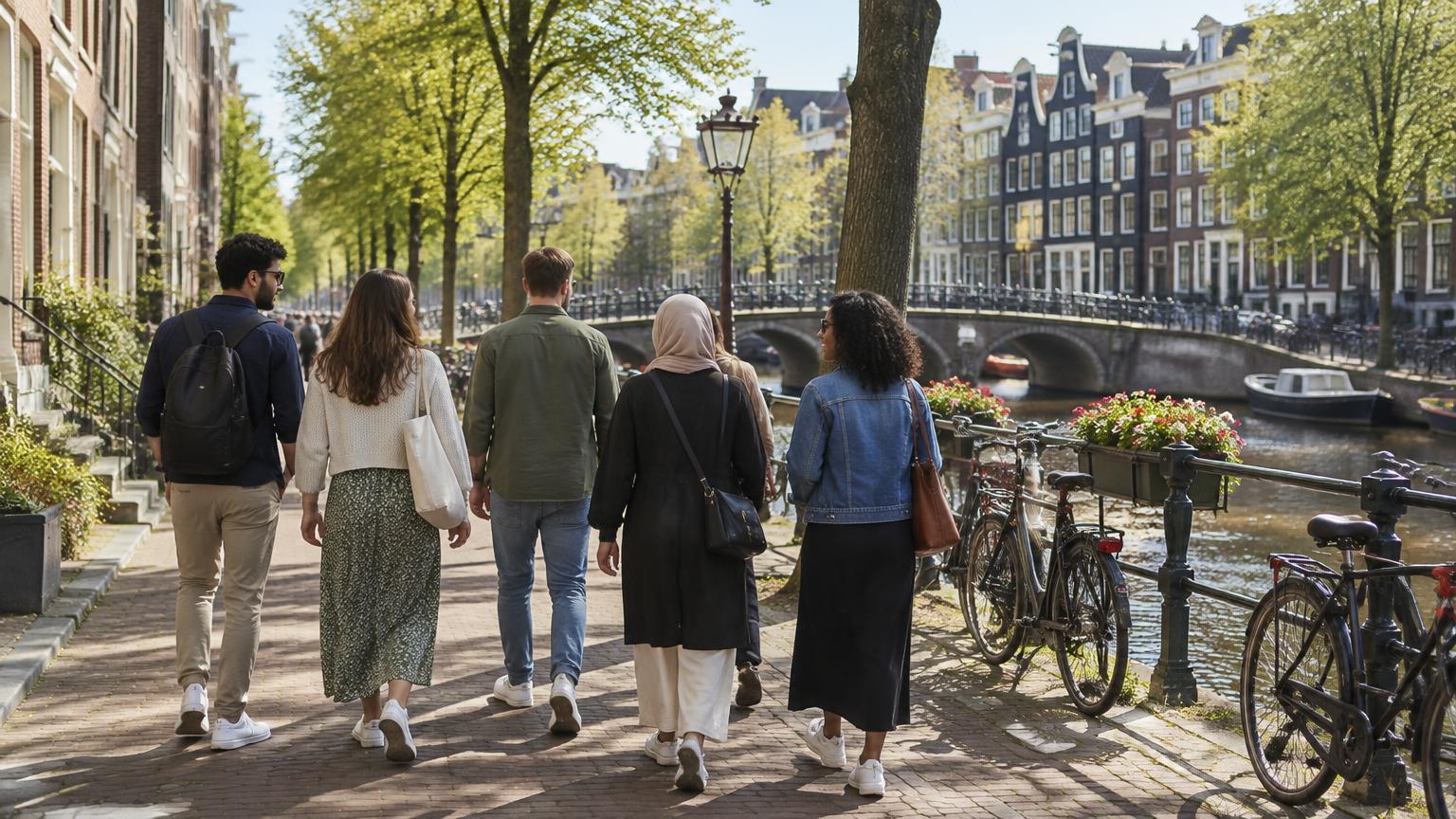
HPV vaccination for adults in Amsterdam
HPV vaccination is still worthwhile after 18, 26 or even 40. DKliniek offers Gardasil-9 without referral, including evenings and weekends.
Take the HPV risk check
Find out in 1 minute whether HPV vaccination makes sense for you.
- Up to 9 short questions
- Instant personal advice
- Free, no obligation
Your answers are not stored and stay on your own device.
Is it for you?
Age 18 to 26
Not or not fully vaccinated through the national programme.
Age 27 and over
Almost half of new high-risk HPV infections occur after age 26.
Men
There is no screening for men. Vaccination is their main protection.
After an abnormal smear test
Vaccination can help prevent new infections with other HPV types.
Weakened immunity
With a weakened immune system HPV infections persist more often.
Smokers
Smoking makes it harder to clear an HPV infection.
HPV at a glance
- Most adults come into contact with HPV at some point, often without noticing.
- HPV can cause several types of cancer, including cervical cancer.
- The vaccine offers about 90% protection against cervical cancer.
- The vaccine contains no viral DNA: it cannot give you HPV.
Schedule and costs
Up to age 14, 2 doses are needed (0 and 6-12 months). From age 15, 3 doses are needed (0, 2 and 6 months). Current prices are on our rates page.
View ratesWhat is HPV?
HPV stands for human papillomavirus. There are over 200 types. Some are high-risk: after years, these can change cells and cause cancer.
The body usually clears the infection within 2 years. If it does not, the infection becomes persistent, and that can lead to pre-cancerous changes over time.
HPV usually causes no symptoms, so almost nobody knows they have or had the virus.
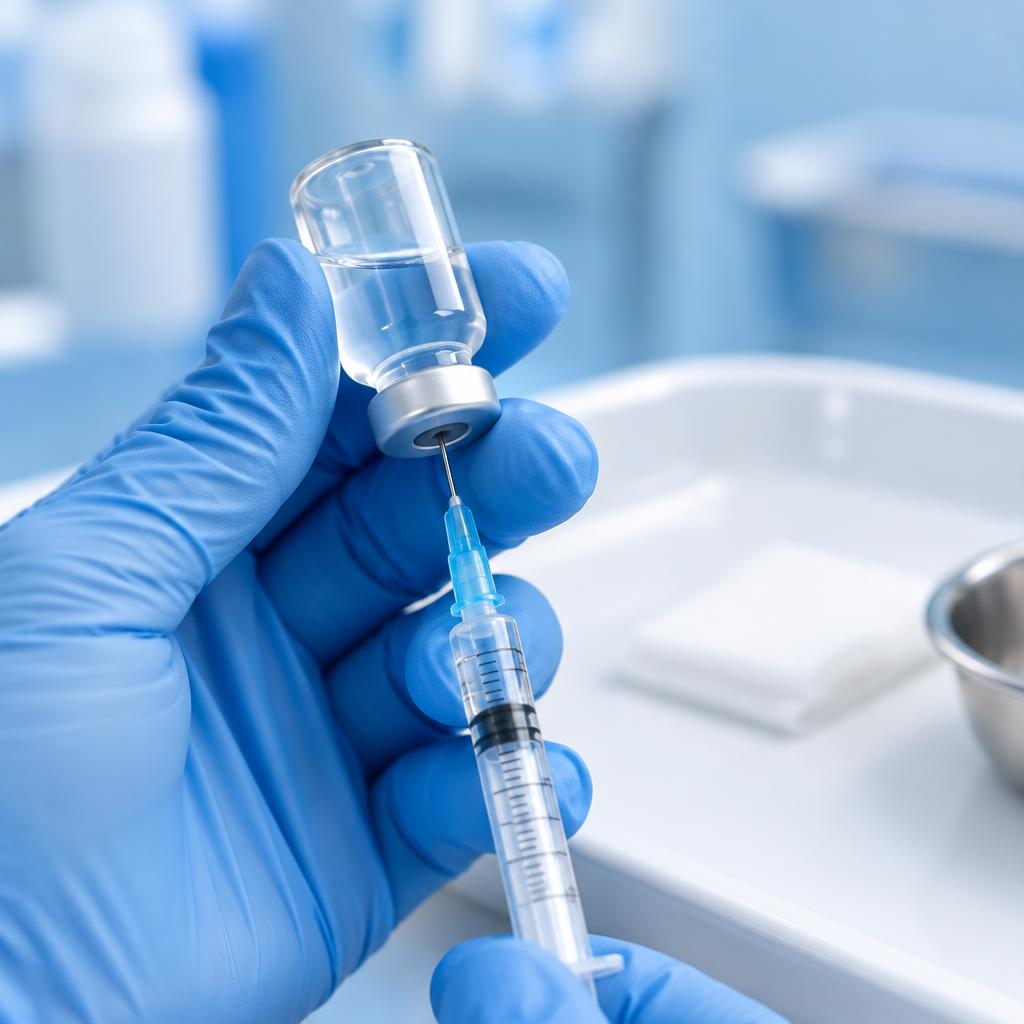
About the vaccine: Gardasil-9
- Gardasil-9 protects against 9 HPV types: high-risk types 16, 18, 31, 33, 45, 52 and 58, plus types 6 and 11.
- Together these types cause about 90% of cervical cancer cases.
- The vaccine works best before infection, but can still protect against types you have not had.
- Based on current knowledge, protection lasts at least 10 years. No booster is needed.
Facts and figures
80–90%
of adults in the Netherlands get HPV at some point
12
high-risk HPV types can cause cancer
± 891
women are diagnosed with cervical cancer each year
± 5,500
women a year are treated for a pre-cancerous stage
Men too
About 1 in 3 men in Europe has HPV, 1 in 5 a high-risk type. Men cannot routinely be tested, so vaccination is their main protection.
Screening programme
Women aged 30 to 60 are invited for cervical screening. Prefer not to have a smear? Request the self-sampling kit. Vaccination and screening complement each other.
Under 18?
HPV vaccination is free through the GGD. DKliniek vaccinates from age 18, no referral needed.
Source: SamentegenHPV (MSD), 2026. Cervical cancer develops over 10 to 15 years; in 2024, 2,984 people in the Netherlands were diagnosed with cervical cancer or a pre-cancerous stage.
The benefits at a glance
Risk groups
Weakened immunity
For example due to HIV, an organ or stem cell transplant, or immunosuppressive medication. HPV infections then persist more often and progress faster.
Autoimmune diseases
Such as rheumatism, lupus or chronic bowel disease, especially with immunosuppressive medication.
After treatment of an abnormal smear
Vaccination after treatment may reduce the chance of the abnormality returning.
Smokers
Smoking makes it harder to clear the virus and increases the chance of persistent infection.
How long does it protect?
Studies have now followed vaccinated people for more than 12 years. Throughout that period protection stays high with no decline seen. A booster is therefore not needed. Do complete all doses of the series, as only then are you fully protected.

How your appointment works
Book
Online, by phone or via WhatsApp. No referral needed.
Short consultation
The practitioner reviews your health and earlier vaccinations and answers your questions.
First dose
You receive the first dose in the upper arm and the dates for the next doses.
Side effects
- Pain, redness or swelling at the injection site, usually 1 to 3 days.
- Sometimes headache, tiredness or a mild fever.
- Serious side effects are very rare. The vaccine has been used worldwide for over 15 years.
When to discuss first?
- During pregnancy, vaccination is postponed until after birth.
- With a fever above 38.5 °C we postpone the injection.
- If you had an allergic reaction to a vaccine before, we discuss it first.
- Breastfeeding is no objection.
Frequently asked questions about HPV
Sources: RIVM, LCI guideline HPV.
Plan your HPV vaccination
No referral needed. Call between 10:00 and 22:00 or send a WhatsApp message.